Ainsley Harriott Whole Snapper with Bahamian Seasoning, Mango and Papaya Salad and Fried Plantain Recipe is the kind of dish that makes you understand why fish cooked whole is always the better choice. A whole snapper — scaled, gutted, and scored deeply on both sides — gets packed with a blitzed paste of garlic, ginger, scotch bonnet, allspice, fresh thyme, parsley, and coriander, then left to marinate before being dredged in seasoned flour and fried until the skin is shatteringly crisp and the flesh inside is white, flaky, and full of everything you put into it.
Alongside it: sweet fried plantain and a sharp, fresh mango and papaya salad dressed with lime, honey, and chilli that cuts through the richness of the fried fish like it was designed for exactly that purpose. Ainsley first made this on his Taste of the Bahamas series on ITV — a dish that captures the way whole snapper is cooked and eaten right across the islands, adapted with the kind of care that makes it work just as well in a home kitchen as it does on a Bahamian shoreline.
Table of contents
- Ainsley Harriott Whole Snapper Ingredients
- How To Make Ainsley Harriott Whole Snapper with Bahamian Seasoning
- What To Serve With Ainsley Harriott Whole Snapper
- How To Store Whole Snapper with Bahamian Seasoning
- Make It Your Own — Creative Twists
- Ainsley Harriott Whole Snapper Nutrition Facts
- FAQs (Frequently Asked Questions)
Ainsley Harriott Whole Snapper Ingredients
For the Fish:
- 4 x small/medium snapper, or 2 x large — scaled, gutted and cleaned (bass, trout and tilapia also work well)
- Juice of 1 lime
- Approx. 120g plain flour (or a mix with fine cornmeal), seasoned with salt, pepper and 1 tsp paprika
- Oil, for frying
- 2–4 ripe plantain, peeled, halved and sliced lengthways
- 1–2 tbsp coconut oil
The Bahamian Seasoning Paste:
- 2 cloves of garlic, roughly chopped
- 3cm fresh ginger, peeled and roughly chopped
- 1 small onion, peeled and roughly chopped
- 2 spring onions, trimmed and roughly chopped
- ½–1 scotch bonnet chilli, deseeded (adjust to your heat preference)
- 4 fresh thyme sprigs, or 2 tsp picked leaves
- 1 large handful of fresh parsley leaves
- 1 handful of fresh coriander
- 5 whole allspice berries, crushed
- ½ tsp all-purpose seasoning, Old Bay, or your favourite fish seasoning
- Juice and zest of 1 lime
For the Mango and Papaya Salad:
- 1 firm ripe mango, peeled and cut into thin slices
- 1 green papaya, peeled, deseeded and cut into thin slices
- 1 small red pepper, deseeded and sliced
- ½ small red onion, thinly sliced
- ¼–½ scotch bonnet, goat or habanero chilli, finely chopped
- Large handful of fresh coriander, roughly chopped
- 1 tbsp olive oil
- Juice and zest of 1 lime
- 2 tsp runny honey
- Sea salt
How To Make Ainsley Harriott Whole Snapper with Bahamian Seasoning
Step 1 — Prepare and Season the Fish
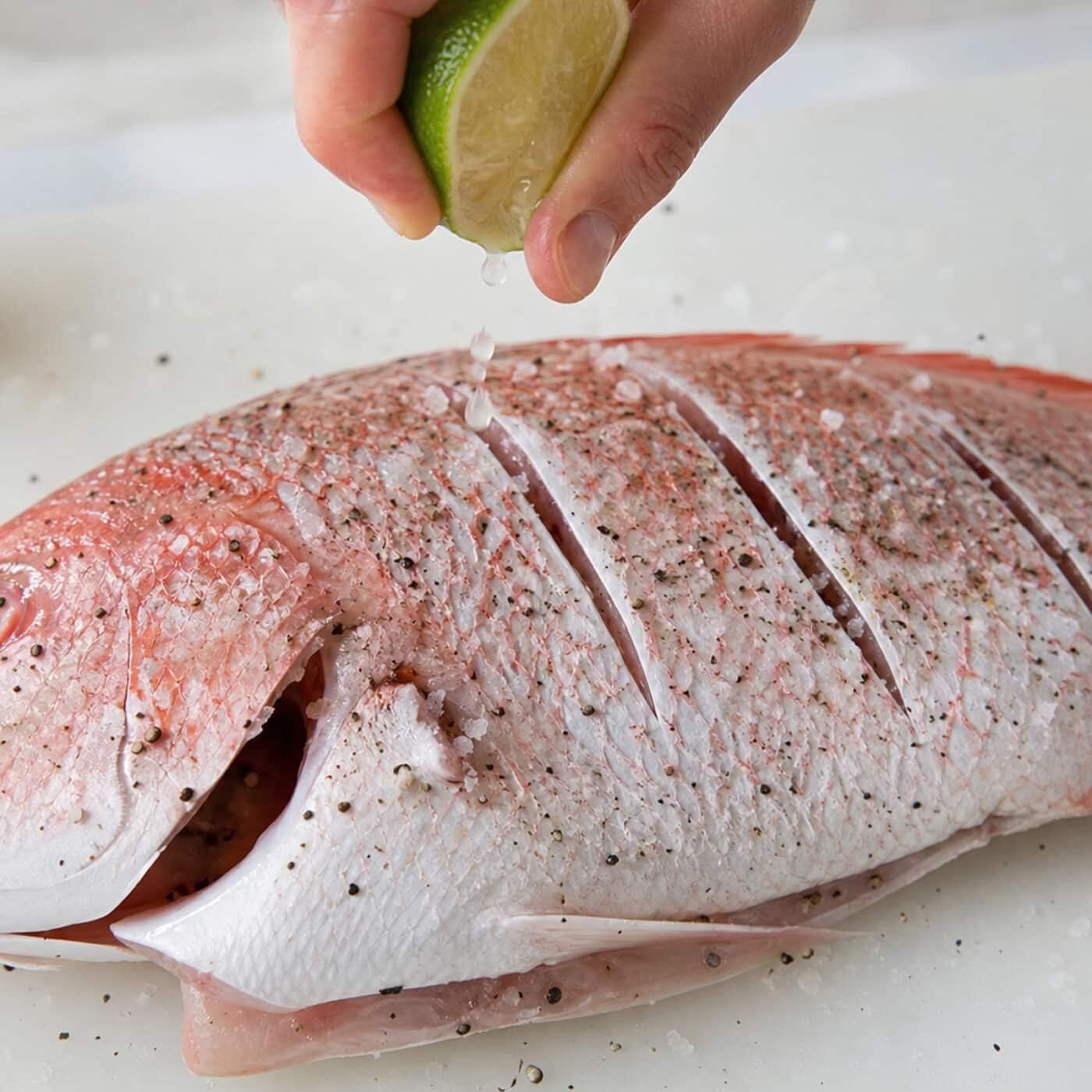
Pat each fish thoroughly dry with kitchen paper — moisture is the enemy of crispy skin and it will also cause dangerous spitting in the hot oil. Make 2–3 deep cuts into both sides of each fish, cutting right down to the bone. Season well all over with salt and pepper, squeeze over the juice of 1 lime, and rub it into the flesh inside and out — including into each cut. Set aside while you make the seasoning paste.
Step 2 — Make the Bahamian Seasoning Paste
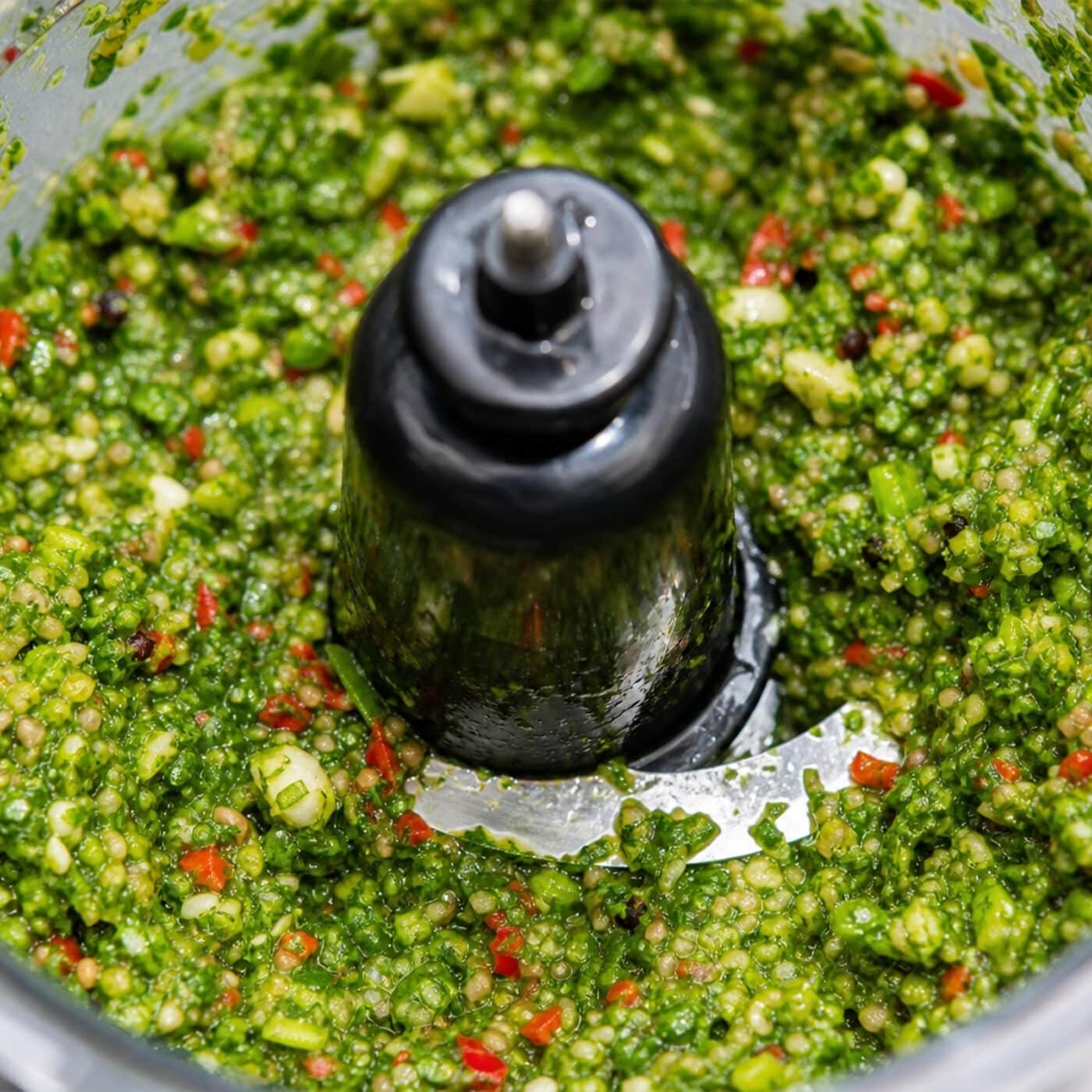
Place all the seasoning ingredients — garlic, ginger, onion, spring onions, scotch bonnet, thyme, parsley, coriander, crushed allspice, fish seasoning, and lime juice and zest — into a mini food processor and blitz to a rough paste. It doesn’t need to be perfectly smooth; a little texture is fine and actually better. Taste it — it should be punchy, herby, and have a real kick. This is everything that’s going into the fish, so get it where you want it before you start stuffing.
Step 3 — Stuff and Marinate
Push the seasoning paste firmly into each cut on both sides of the fish, using the back of a spoon to press it deep into the grooves. Spoon the remainder into the cavity of each fish. Place in a non-metallic dish, cover, and leave to marinate for at least 20 minutes at room temperature. The paste needs time to get into the flesh — don’t skip the rest.
Step 4 — Dredge and Fry the Fish
Lightly dredge each fish in the seasoned flour all over, including the cavity, and shake off any excess — you want a thin, even coat, not a heavy crust. Heat a large, heavy-based frying pan or skillet with enough oil to shallow fry to approximately 1 inch deep. When the oil is hot but not yet smoking, carefully lay the fish into the pan. You may need to cook in batches or use two pans. Fry for 5–7 minutes per side depending on the size of the fish, until the skin is deeply golden and crisp and the flesh is opaque and flakes easily when tested with the tip of a knife. Drain well on kitchen paper and keep warm while you cook any remaining fish.
Step 5 — Fry the Plantain
While the fish is frying, heat the coconut oil in a separate frying pan over a medium-high heat. Add the plantain slices cut side down and fry for 2–3 minutes until golden. Turn and cook for another 2–3 minutes on the other side. Plantain is ready when it’s golden, slightly caramelised at the edges, and tender all the way through. Drain on kitchen paper.
Step 6 — Make the Mango and Papaya Salad
Place the mango, papaya, red pepper, and red onion into a large bowl. Add the finely chopped chilli and coriander. In a small bowl or jar, whisk together the olive oil, lime juice and zest, honey, and a good pinch of sea salt. Pour over the salad and toss everything together gently. Taste — it should be sharp, sweet, and bright. Make this at the last moment so the fruit stays fresh and the dressing doesn’t have time to soften the salad before it reaches the table.
Step 7 — Serve
Serve the fried snapper with the plantain alongside and a generous heap of the mango and papaya salad. Add lime wedges to the plate for squeezing over. This is food best eaten immediately — the crispy skin on the fish starts to lose its texture quickly, and the salad is at its best the moment it is dressed.
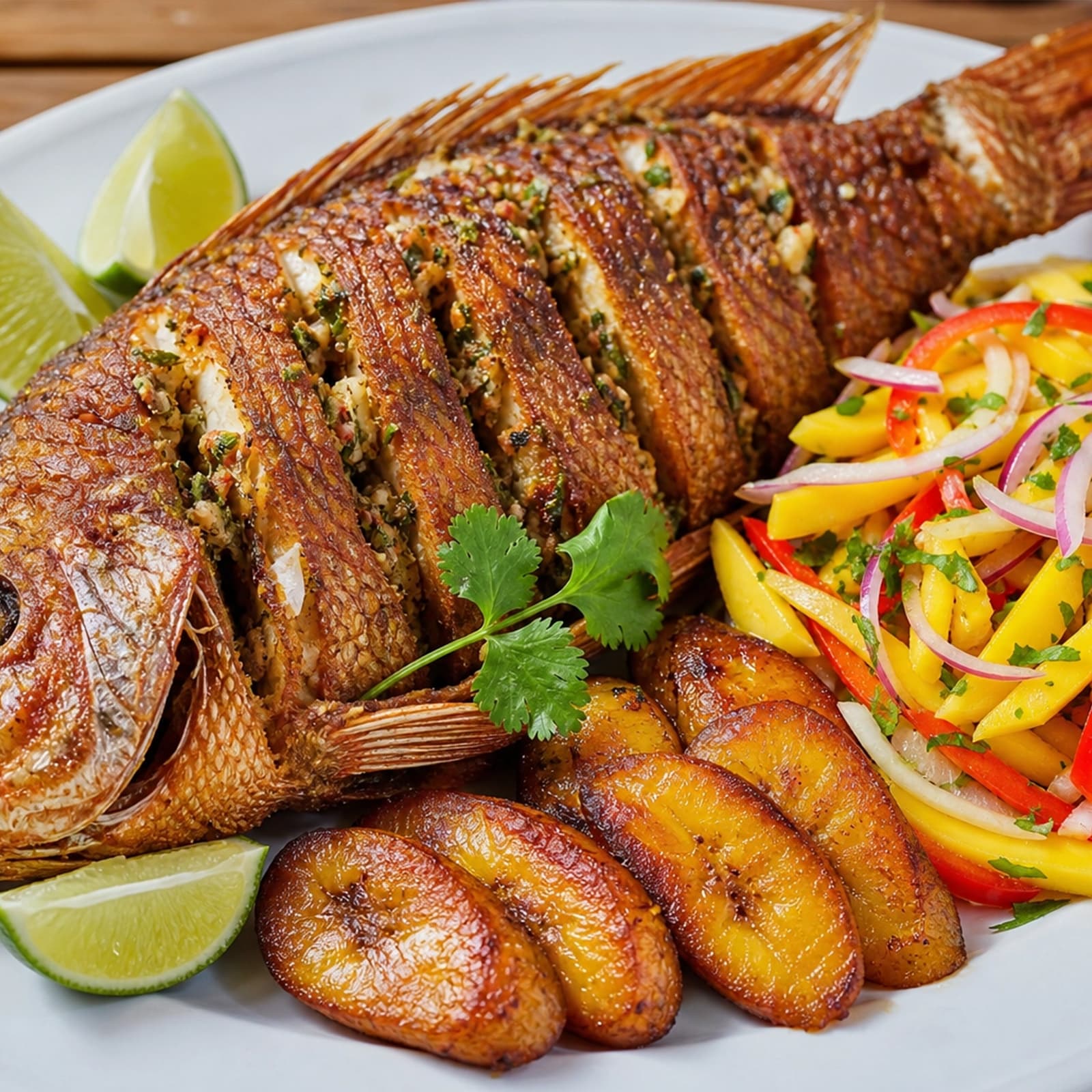
Ainsley Harriott Whole Snapper with Bahamian Seasoning, Mango and Papaya Salad and Fried Plantain

Equipment
- Mini Food Processor
- Large Heavy-Based Frying Pan or Skillet
- Separate Frying Pan (for plantain)
- Large Mixing Bowl
- Sieve
- Kitchen Paper
Ingredients
For the Fish
- 4 small/medium snapper, or 2 large — scaled, gutted and cleaned sea bass, trout or tilapia also work well
- 1 lime, juiced
- 120 g plain flour or a mix with fine cornmeal, seasoned with salt, pepper and 1 tsp paprika
- oil, for frying enough for approx. 1 inch depth
- 2-4 ripe plantain, peeled, halved and sliced lengthways
- 1-2 tbsp coconut oil for frying plantain
For the Bahamian Seasoning Paste
- 2 cloves of garlic, roughly chopped
- 3 cm fresh ginger, peeled and roughly chopped
- 1 small onion, peeled and roughly chopped
- 2 spring onions, trimmed and roughly chopped
- 0.5-1 scotch bonnet chilli, deseeded adjust to your heat preference
- 4 fresh thyme sprigs, or 2 tsp picked leaves
- large handful of fresh parsley leaves
- handful of fresh coriander
- 5 whole allspice berries, crushed
- 0.5 tsp all-purpose seasoning, Old Bay or favourite fish seasoning
- 1 lime, juice and zest
For the Mango and Papaya Salad
- 1 firm ripe mango, peeled and cut into thin slices
- 1 green papaya, peeled, deseeded and cut into thin slices
- 1 small red pepper, deseeded and sliced
- 0.5 small red onion, thinly sliced
- 0.25-0.5 scotch bonnet, goat or habanero chilli, finely chopped
- large handful of fresh coriander, roughly chopped
- 1 tbsp olive oil
- 1 lime, juice and zest
- 2 tsp runny honey
- sea salt to season
Instructions
- Pat each fish thoroughly dry with kitchen paper. Make 2–3 deep cuts into both sides of each fish, cutting right down to the bone. Season well all over with salt and pepper, squeeze over the juice of 1 lime, and rub into the flesh inside and out including into each cut. Set aside while you make the seasoning paste.
- Place all the seasoning paste ingredients — garlic, ginger, onion, spring onions, scotch bonnet, thyme, parsley, coriander, crushed allspice, fish seasoning, and lime juice and zest — into a mini food processor and blitz to a rough paste. Taste and adjust seasoning.
- Push the seasoning paste firmly into each cut on both sides of the fish using the back of a spoon. Spoon the remainder into the cavity of each fish. Place in a non-metallic dish, cover, and leave to marinate for at least 20 minutes.
- Lightly dredge each fish in the seasoned flour all over including the cavity, and shake off any excess. Heat a large heavy-based frying pan with enough oil to shallow fry to approximately 1 inch deep. When hot but not smoking, carefully lay the fish into the pan. Fry for 5–7 minutes per side until the skin is deeply golden and crisp and the flesh is opaque and flakes easily. Drain on kitchen paper.
- While the fish fries, heat the coconut oil in a separate pan over a medium-high heat. Add the plantain slices cut side down and fry for 2–3 minutes until golden. Turn and cook for another 2–3 minutes. Drain on kitchen paper.
- Place the mango, papaya, red pepper, and red onion into a large bowl. Add the chilli and coriander. Whisk together the olive oil, lime juice and zest, honey, and a pinch of sea salt. Pour over the salad and toss gently to combine.
- Serve the fried snapper immediately with the fried plantain and mango and papaya salad alongside. Add lime wedges to the plate for squeezing over.
Notes
Recipe Tips
Getting the Fish Right
- Dry the Fish Thoroughly: This is the single most important step for crispy skin. Any surface moisture on the fish will steam in the hot oil rather than fry, and the skin will never achieve the crunch you’re after. Pat with kitchen paper, and if you have time, leave the fish uncovered in the fridge for 30 minutes after patting dry — the cold air finishes the job.
- Score Deep Enough: The cuts need to go right down to the bone — this is what allows the seasoning paste to penetrate the flesh and what helps the fish cook evenly all the way through. Shallow scoring does very little for either flavour or cooking time.
- Don’t Rush the Marinating: Twenty minutes is the minimum. The lime juice begins to open up the flesh and the paste needs time to get into the cuts properly. If you have longer — an hour, or even overnight in the fridge — the flavour will be noticeably deeper.
Getting the Frying Right
- Hot Oil, Not Smoking: The oil needs to be properly hot before the fish goes in — if it isn’t, the fish will absorb oil and turn greasy rather than frying to a crisp. But if it’s smoking, the outside will burn before the inside is cooked through. Test with a small pinch of flour — it should sizzle immediately on contact.
- Add Scotch Bonnets and Thyme to the Oil: Ainsley’s tip — drop 1–2 whole scotch bonnets and a few sprigs of thyme into the oil as the fish fries. The oil picks up their flavour and bastes the fish with it as it cooks. It adds a layer of depth that you can’t get any other way.
- Don’t Overcrowd the Pan: Frying two large fish in a pan meant for one drops the oil temperature dramatically and results in steamed, pale fish rather than crisp, golden skin. Cook in batches and keep the cooked fish warm in a low oven while you finish the rest.
- Baking and Grilling Work Too: If you’d rather not fry, place the marinated fish on an oiled baking tray and bake in a hot oven for 15–20 minutes, or cook on a barbecue when the weather allows. Skip the flour dredge for both methods. The skin won’t be as crisp as fried, but the flavour from the paste will be just as good.
What To Serve With Ainsley Harriott Whole Snapper
- Fried Plantain: The essential Bahamian pairing — sweet, soft, and caramelised against the crispy, spiced fish. Non-negotiable if you’re going for the full experience
- Mango and Papaya Salad: Already part of this recipe and the perfect foil to the richness of the fried fish — sharp, fresh, and cold against the hot crispy skin
- Nassau Potato Salad: The creamy, chunky Bahamian potato salad alongside fried fish is a classic island combination that works as well at home as it does on the islands
- Steamed White Rice: Simple and right — the plain rice absorbs the juices from the fish and any dressing from the salad that finds its way onto the plate
- Extra Lime Wedges: Always. Squeeze over the fish the moment it reaches the table — the acid cuts through the fried coating and lifts everything
How To Store Whole Snapper with Bahamian Seasoning
- Store: Leftover cooked fish keeps in an airtight container in the fridge for up to 2 days. The skin will soften overnight — this is unavoidable with fried fish.
- Reheat: The best way to reheat fried fish and recover some of the crispiness is in a hot oven at 200°C for 8–10 minutes, or in a dry frying pan over a medium heat for a few minutes per side. Avoid the microwave — it makes the skin completely soft and the flesh rubbery.
- Marinate Ahead: The fish can be stuffed with the seasoning paste and left covered in the fridge for up to 24 hours before frying. This is actually the best approach for maximum flavour and means minimal work on the day.
- The Salad: The mango and papaya salad does not keep well once dressed — the fruit softens and the dressing dulls quickly. Make it fresh on the day, ideally just before serving. The undressed fruit can be prepared in advance and kept in the fridge, with the dressing added at the last moment.
- Freeze: Cooked fried fish does not freeze well. The texture deteriorates significantly on thawing. This is a make-and-eat dish.
Make It Your Own — Creative Twists
The Bahamian seasoning paste is the engine of this recipe — get that right and the rest is flexible. Here’s where to take it:
You Might Also Like
-
 Ainsley Harriott Caribbean Fish Curry with Spinach and Coconut...This Ainsley Harriott Caribbean Fish Curry with Spinach and Coconut is a bright, comforting one-pan…
 -
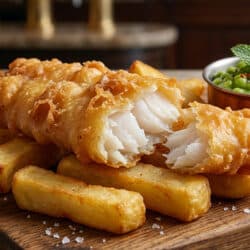
Ainsley Harriott Beer-Battered Fish and Chips RecipeAinsley Harriott's Beer-Battered Fish and Chips is the ultimate British classic done properly at home…
-
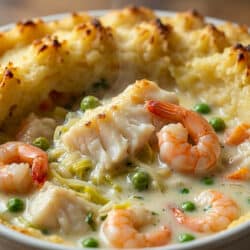
Ainsley Harriott Fabulous Fish Pie RecipeThis Ainsley Harriott Fabulous Fish Pie is the kind of comforting, family-friendly dinner that never…
-
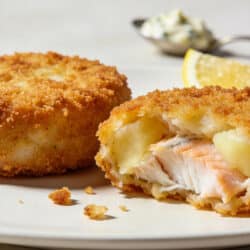
Ainsley Harriott Light & Crunchy Fish Cakes RecipeThese Ainsley Harriott Light & Crunchy Fish Cakes are the kind of easy, comforting dinner…
-
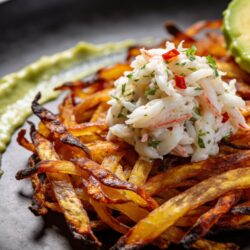
Ainsley Harriott Plantain & Sweet Potato Rosti RecipeThis Ainsley Harriott Plantain & Sweet Potato Rosti Recipe is a vibrant island-style brunch dish…
Baked Instead of Fried 🫙
Place the marinated fish on a well-oiled baking tray, drizzle generously with olive oil, and bake at 220°C for 15–20 minutes until the flesh is opaque and flakes cleanly at the thickest point. The skin won’t have the shatter of the fried version but it will colour and tighten nicely in the high heat. Skip the flour dredge entirely. This is the version to make when you want all the flavour with considerably less mess and effort.
On the Barbecue 🔥
The barbecue version is arguably the most authentic — fish cooked over direct flame picks up a smokiness that a domestic fryer simply cannot replicate. Oil the grates well and make sure the fish is also oiled before it goes on. Cook over medium-high direct heat for 5–7 minutes per side, leaving the fish alone until it releases naturally from the grate — if it’s sticking, it isn’t ready to turn. Skip the flour dredge. Add a halved lime cut-side down to the grates alongside the fish and let it char — squeeze over the fish the moment everything comes off the heat.
Use the Paste on Fish Fillets 🐟
If whole fish isn’t practical, the Bahamian seasoning paste works just as well on thick fillets — snapper, sea bass, or cod all take it beautifully. Score the skin side of each fillet, push the paste in, and pan-fry skin side down in hot oil for 4–5 minutes until the skin is crisp, then flip for 1–2 minutes to finish. Faster, easier, and just as flavourful. The presentation is different but the eating is the same.
Swap the Papaya for Green Mango 🥭
If you can’t find green papaya — and it isn’t always easy to track down — use two mangoes instead of one, choosing the firmest, least ripe one you can find as the papaya substitute. The salad becomes purely mango-based, slightly sweeter, and a little less complex, but still completely delicious alongside the spiced fish. Add a little more lime juice to compensate for the extra sweetness.
Make the Seasoning into a Marinade for Chicken 🍗
The Bahamian seasoning paste is too good to use only on fish. It works equally well as a marinade for chicken thighs — score them deeply, push in the paste, and leave overnight in the fridge before grilling or baking. The allspice and scotch bonnet combination on charred chicken skin is exceptional. Make a double batch of the paste when preparing this recipe and keep half in the fridge for up to 3 days.
💬 The paste is everything here — get it into the cuts properly, give it time to marinate, and the fish will look after itself. Your only job is to not rush it.
Ainsley Harriott Whole Snapper Nutrition Facts
Per serving, based on 4 servings
| Nutrient | Amount |
|---|---|
| Calories | 520 kcal |
| Protein | 38g |
| Carbohydrates | 42g |
| Fat | 20g |
| Saturated Fat | 5g |
| Fibre | 4g |
| Sugar | 16g |
| Salt | 1.1g |
FAQs (Frequently Asked Questions)
Can I Use a Different Fish Instead of Snapper?
Yes — Ainsley specifically suggests sea bass, trout, and tilapia as alternatives, and all three work well with the Bahamian seasoning paste. The key is to choose a fish of similar size so the cooking time stays the same. Any firm white fish with good skin that crisps well under heat is suitable. Avoid very delicate fish like sole or plaice — they won’t hold up to the scoring, stuffing, and frying method.
Can I Bake or Grill Instead of Frying?
Yes, and Ainsley gives both as alternatives. For baking, place the marinated fish on a well-oiled tray and cook in a hot oven at 220°C for 15–20 minutes. For grilling or barbecuing, cook over medium-high direct heat for 5–7 minutes per side. Skip the flour dredge for both methods — it’s only needed for the fried version to help achieve the crispy coating.
How Spicy Is This Recipe?
As spicy as you make it. The heat here comes from the scotch bonnet in the seasoning paste and in the salad. Half a scotch bonnet, deseeded, gives a noticeable warmth that most people can handle. A whole one with seeds is genuinely hot. If you’re cooking for mixed heat tolerances, use a quarter in the paste and leave the chilli out of the salad — you can always serve extra hot sauce on the side.
What Is Allspice and Can I Substitute It?
Allspice is a Caribbean spice made from dried berries of the Pimenta dioica tree — it tastes of a combination of cinnamon, cloves, and nutmeg, which is how it got its name. It’s essential to the flavour profile of authentic Bahamian seasoning and worth seeking out. If you genuinely can’t find it, a small pinch each of ground cinnamon, ground cloves, and ground nutmeg together gives a reasonable approximation.
Can I Prepare the Fish in Advance?
Yes — and this is the recommended approach. Stuff the fish with the seasoning paste and leave it covered in the fridge for up to 24 hours before frying. The longer the paste sits in the cuts, the deeper the flavour goes into the flesh. Dredge in flour and fry just before serving — the fish should go straight from the pan to the table for the best skin texture.
Where Can I Watch Ainsley’s Taste of the Bahamas?
Ainsley’s Taste of the Bahamas originally aired on ITV and is available to stream on ITVX in the UK. The series follows Ainsley across the Bahamian islands, cooking the food he encounters with the people he meets along the way.
Tried this recipe? Drop a comment below and leave a rating — it helps other home cooks find it, and it keeps us going. ⭐