Ainsley Harriott’s Pasta Alla Trapanese Recipe is the pasta dish that changes how you think about pesto. Trapanese is the Sicilian cousin of the more famous Genovese — made with fresh tomatoes, toasted almonds, garlic, basil, and pecorino instead of pine nuts, it is lighter, sharper, and more interesting on a warm evening than anything from a jar. Ainsley first made this Trapanese recipe as part of his Taste of Malta series on ITV, drawing on the deep culinary connection between Malta and Sicily — a shared love of olive oil, ripe tomatoes, and pasta done well.
The real move here is the mollica: breadcrumbs toasted in olive oil with black olives, chilli flakes, lemon zest, and parsley, scattered over the finished bowl in place of extra cheese. It adds crunch, salt, and brightness that lifts the whole dish. Furthermore, good olive oil is not optional in this recipe — Maltese olive oil is among the finest in the Mediterranean, rich and golden, and it makes a genuine difference to the finished pesto.
Table of contents
- Ainsley Harriott Pasta Alla Trapanese Ingredients
- How To Make Ainsley Harriott Pasta Alla Trapanese with Black Olive Mollica
- Recipe Tips for the Best Pasta Alla Trapanese
- What To Serve With Pasta Alla Trapanese
- How To Store Pasta Alla Trapanese
- Make It Your Own — Creative Twists on Pasta Alla Trapanese
- Ainsley Harriott Pasta Alla Trapanese Nutrition Facts
- FAQs (Frequently Asked Questions)
Ainsley Harriott Pasta Alla Trapanese Ingredients
For the Trapanese Pesto and Pasta
- 325g fresh vine cherry or baby plum tomatoes (or peeled medium vine tomatoes)
- 500g busiate, cassarecce or similar short pasta
- 70g blanched almonds
- 1–2 cloves of garlic, peeled
- Small bunch (25g) of basil, leaves picked
- 8–10 fresh mint leaves
- 70g pecorino cheese, grated (or vegan Italian-hard cheese)
- 5 tbsp extra-virgin olive oil
- ½ lemon, for squeezing
- Sea salt and freshly ground black pepper
For the Black Olive Mollica
- 2 tbsp extra-virgin olive oil
- 2 slices of white or wholegrain bread, blitzed to a coarse crumb
- 1 small clove of garlic, minced
- 50g black olives, pitted and chopped
- Pinch of dried chilli flakes
- Zest of 1 lemon
- 2 tbsp fresh parsley, finely chopped
How To Make Ainsley Harriott Pasta Alla Trapanese with Black Olive Mollica
Step 1 — Drain the Tomatoes
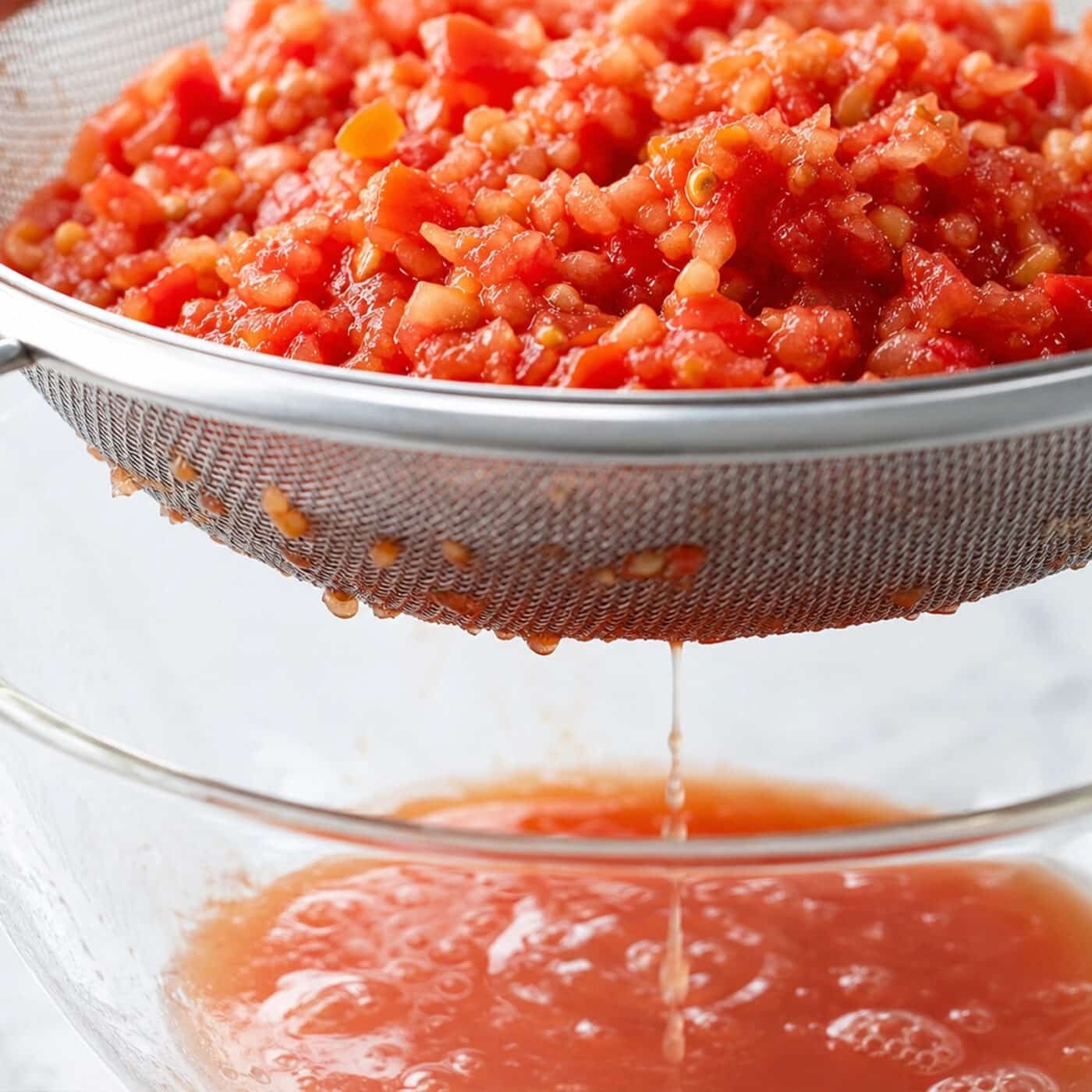
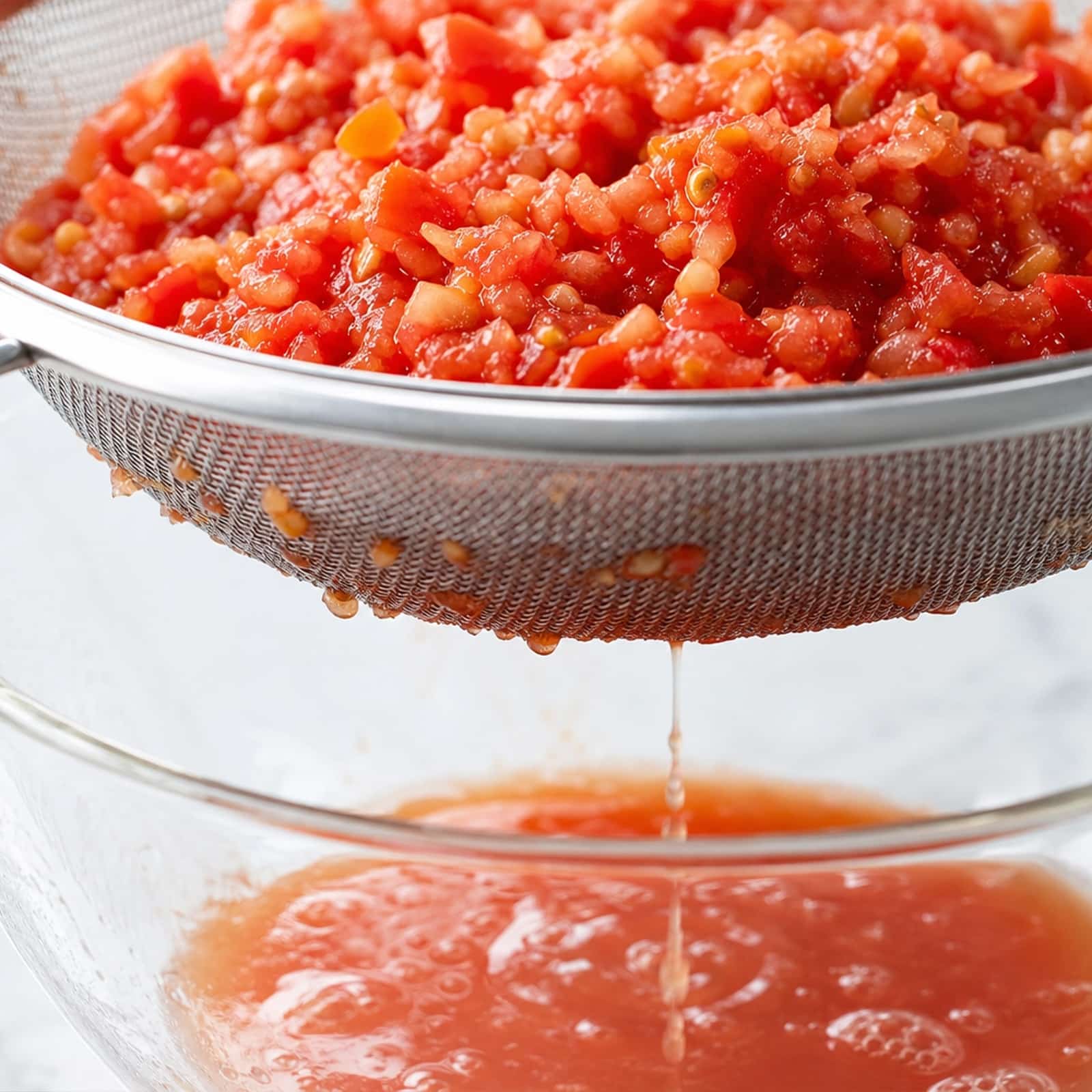
Pulse the tomatoes a couple of times in a food processor — enough to break them up but not purée them. Next, tip the mixture into a sieve set over a bowl and leave to drain away the excess liquid. This step matters more than it looks: tomato water in the Trapanese pesto makes the sauce thin and dull rather than textured and intense. Give it at least 5 minutes, or press gently if you’re in a hurry.
Step 2 — Toast the Almonds
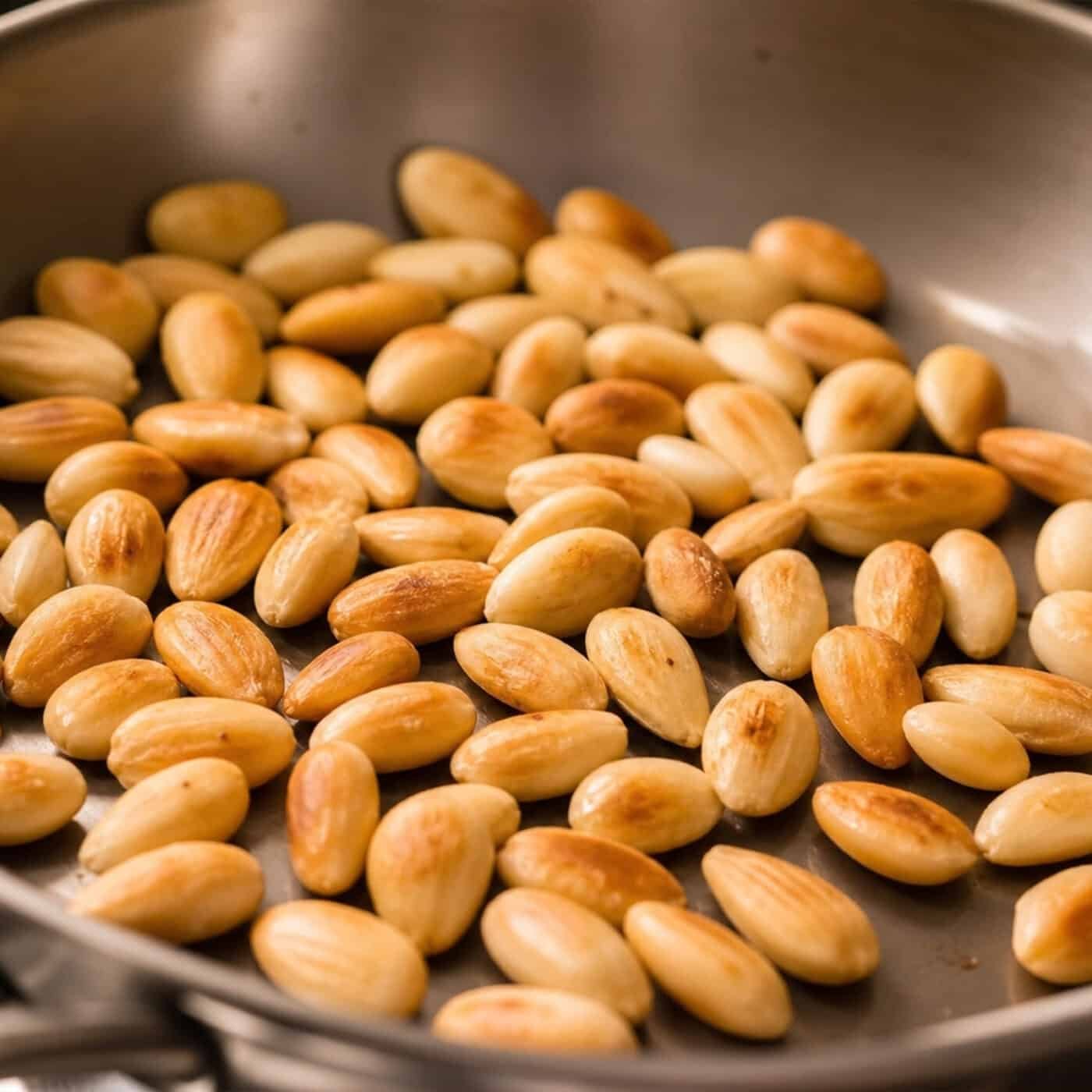
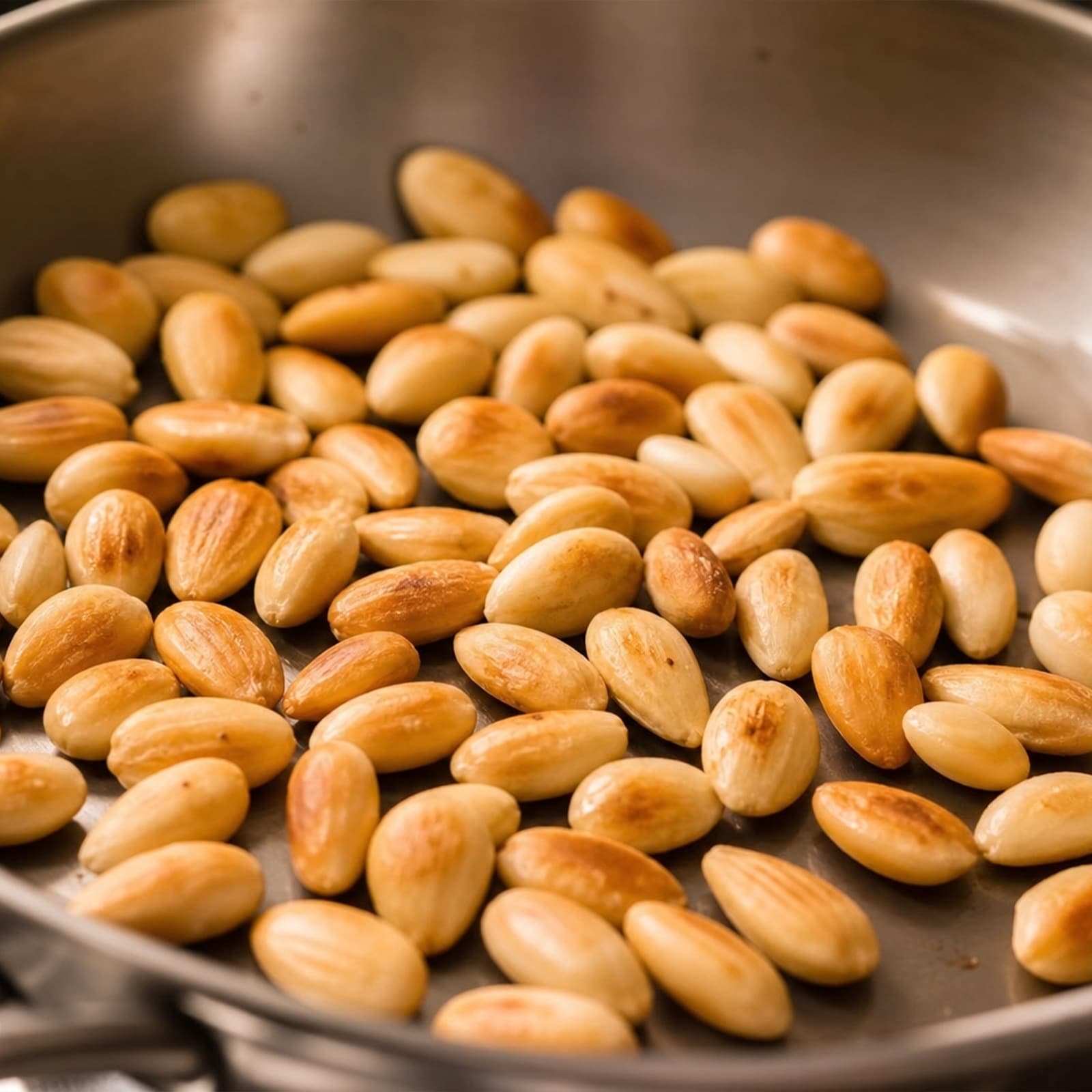
Toast the blanched almonds in a dry frying pan over a medium heat until lightly golden. Keep your eye on them — almonds go from perfectly toasted to bitter and burnt faster than almost anything else in a kitchen. Afterwards, tip them onto a plate and leave to cool completely before processing. Warm almonds release more oil in the food processor and will make the pesto greasy rather than smooth and textured.
Step 3 — Make the Trapanese Pesto
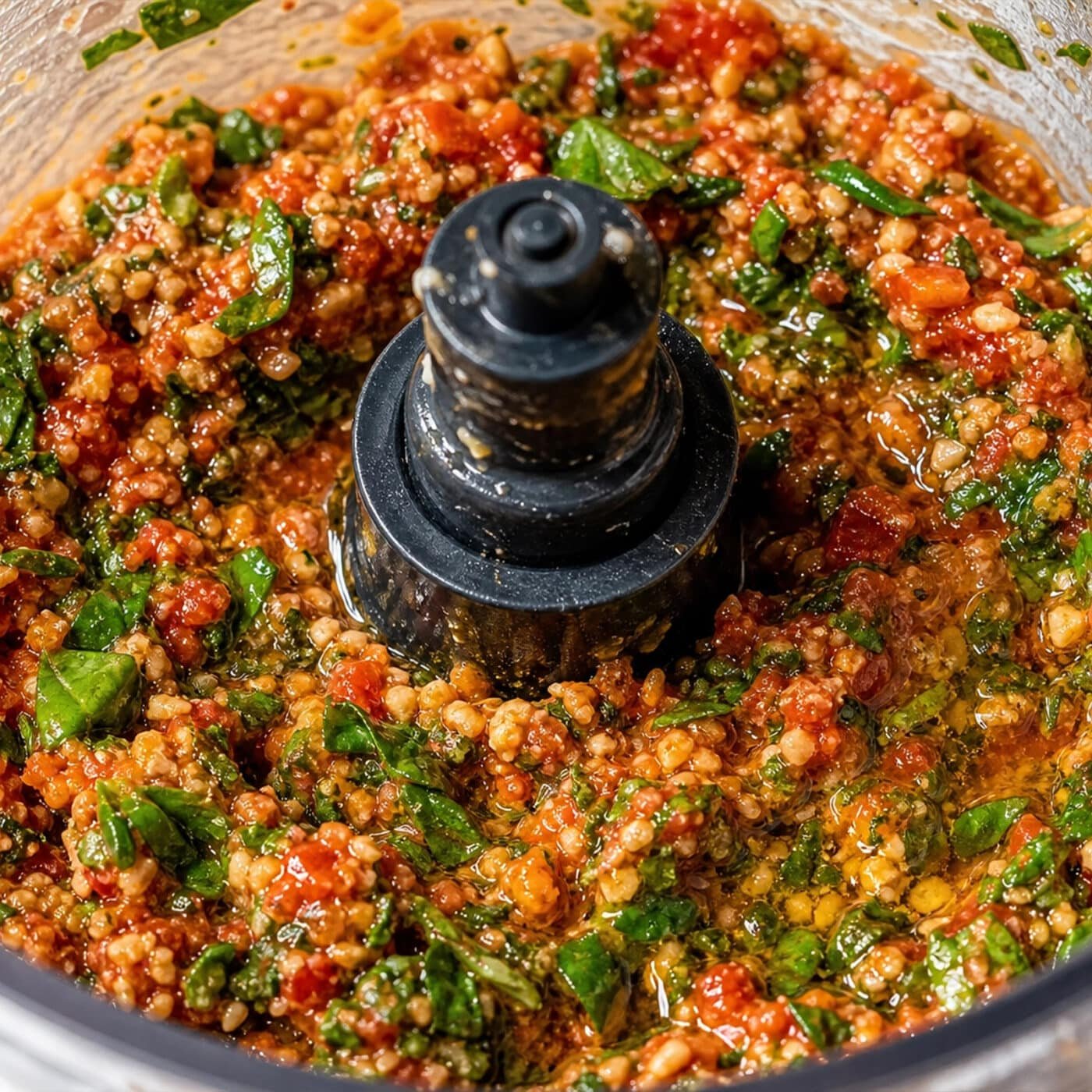
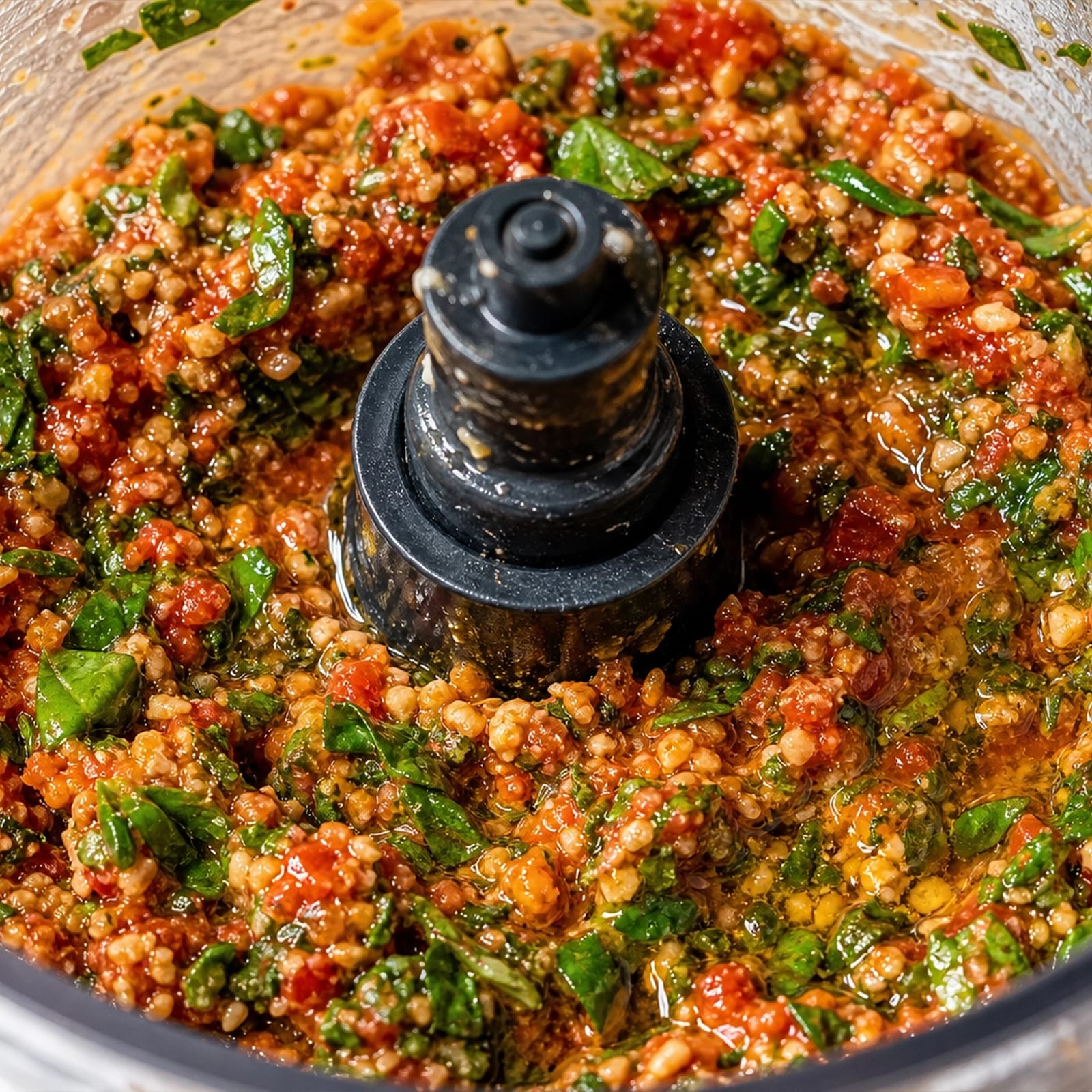
Add the cooled almonds to the food processor with a good pinch of salt and the garlic. Pulse until the mixture resembles coarse breadcrumbs. Then add the drained tomatoes, basil, mint, and a drizzle of olive oil, and pulse until combined. With the motor running, drizzle in 4 tablespoons of olive oil until you reach your preferred texture — slightly coarse or smooth, both are correct. Tip into a bowl, stir in the grated pecorino, then taste and adjust with lemon juice, salt, pepper, and the remaining oil if needed. Set it aside and let it sit while you cook the pasta and mollica. As a result, the flavours develop considerably in just 10–15 minutes.
Step 4 — Cook the Pasta
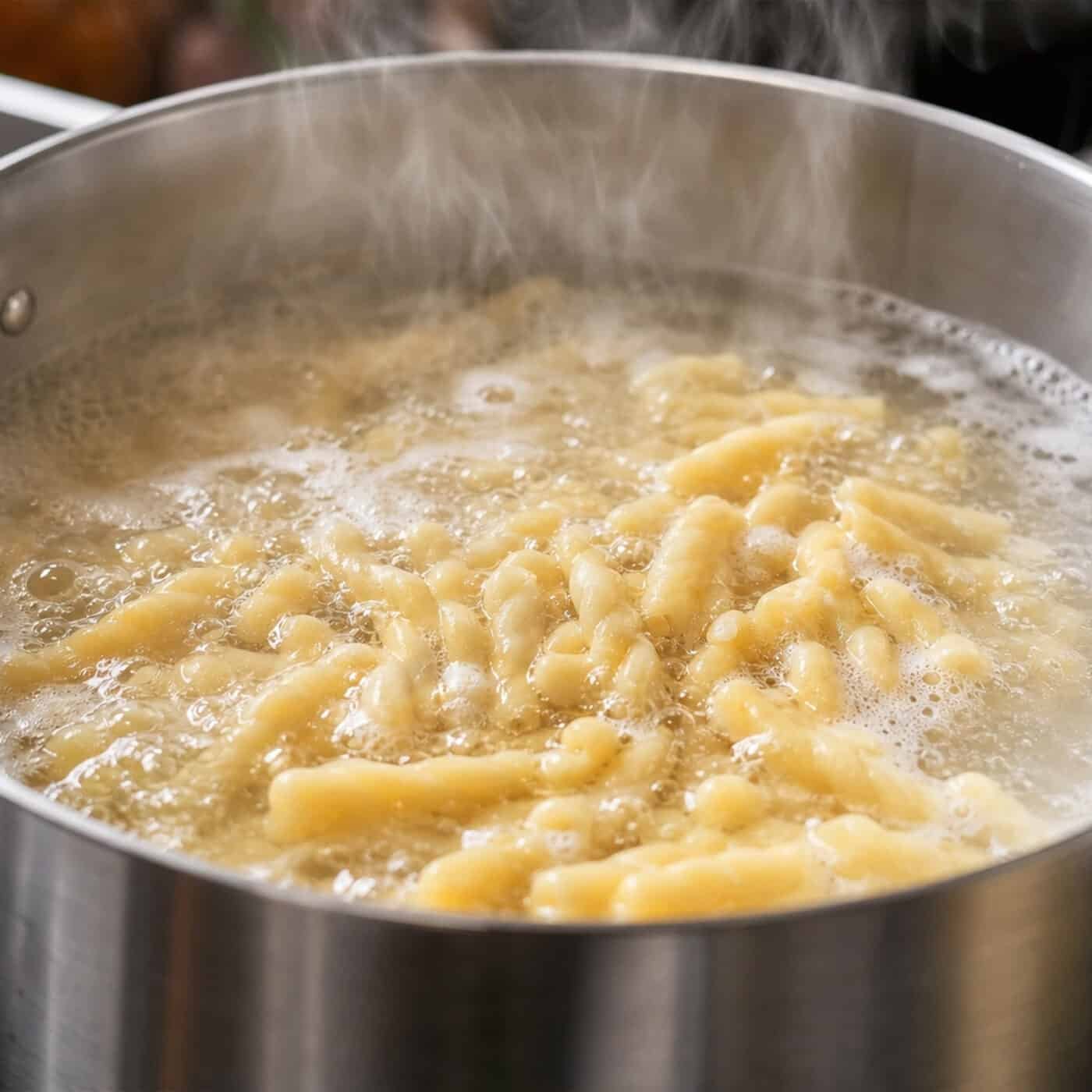
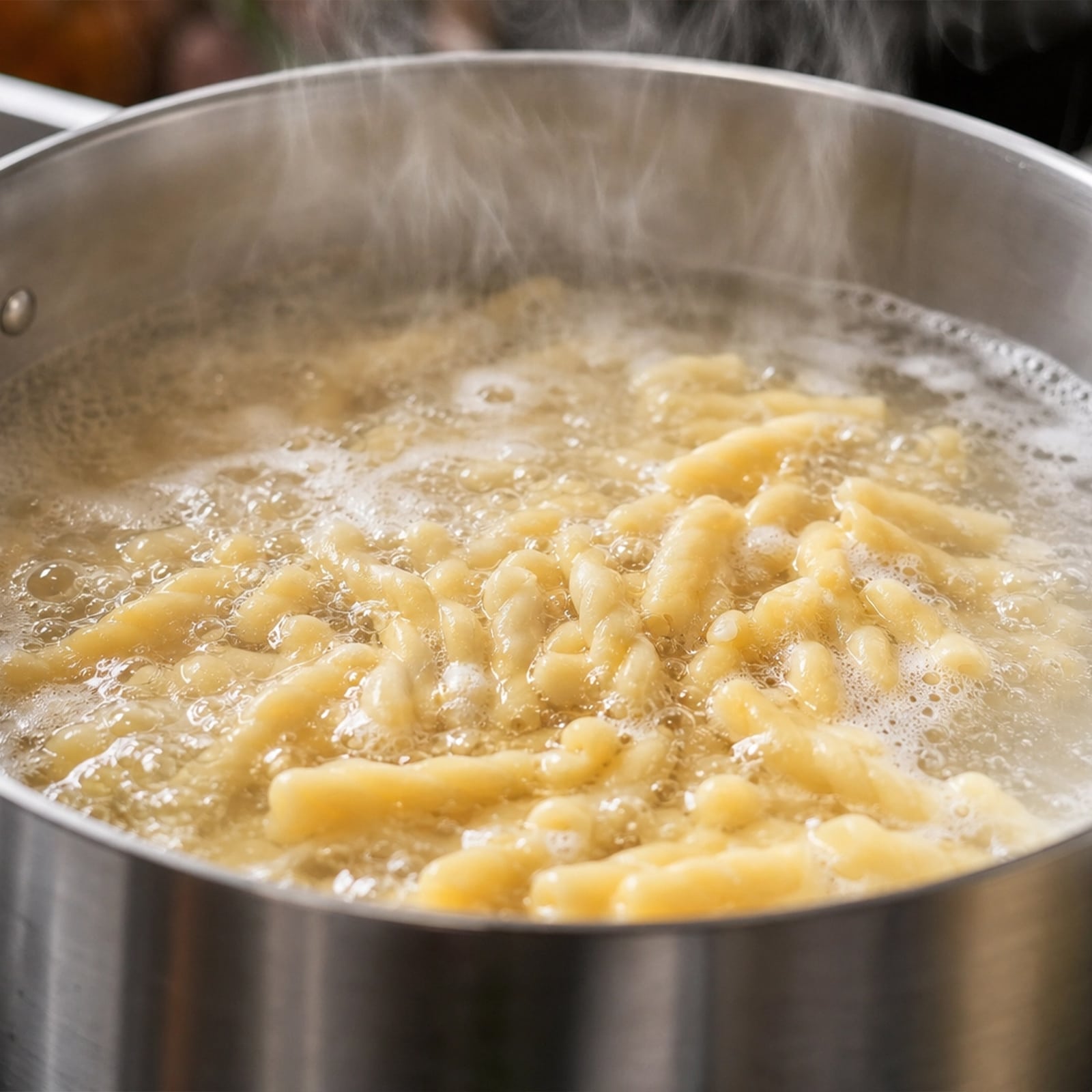
Cook the pasta in a large pan of generously salted water until al dente — just short of fully cooked through, as it will finish in the pan with the Trapanese pesto. Before draining, scoop out a full cup of the starchy pasta water and set it aside. You will almost certainly need it.
Step 5 — Make the Black Olive Mollica
While the pasta cooks, heat the olive oil in a frying pan over a medium heat. Add the breadcrumbs and cook, stirring constantly, for 2–3 minutes until golden and properly crisp. Then add the minced garlic and cook for 30 seconds until just fragrant — no longer, or the garlic will turn bitter. Add the chopped black olives, chilli flakes, and lemon zest, season with salt and pepper, and stir everything together. Remove from the heat immediately and stir through the fresh parsley. The mollica should be used straight away — it loses its crunch quickly once it sits.
Step 6 — Finish and Serve
Drain the pasta and return it to the pan over a low heat. Add the Trapanese pesto and toss together for about a minute, adding splashes of the reserved pasta water to loosen the sauce and help it coat every piece of pasta evenly. Serve immediately in warmed bowls with a generous scattering of the black olive mollica over the top. Don’t be shy with the amount — the mollica is the point.
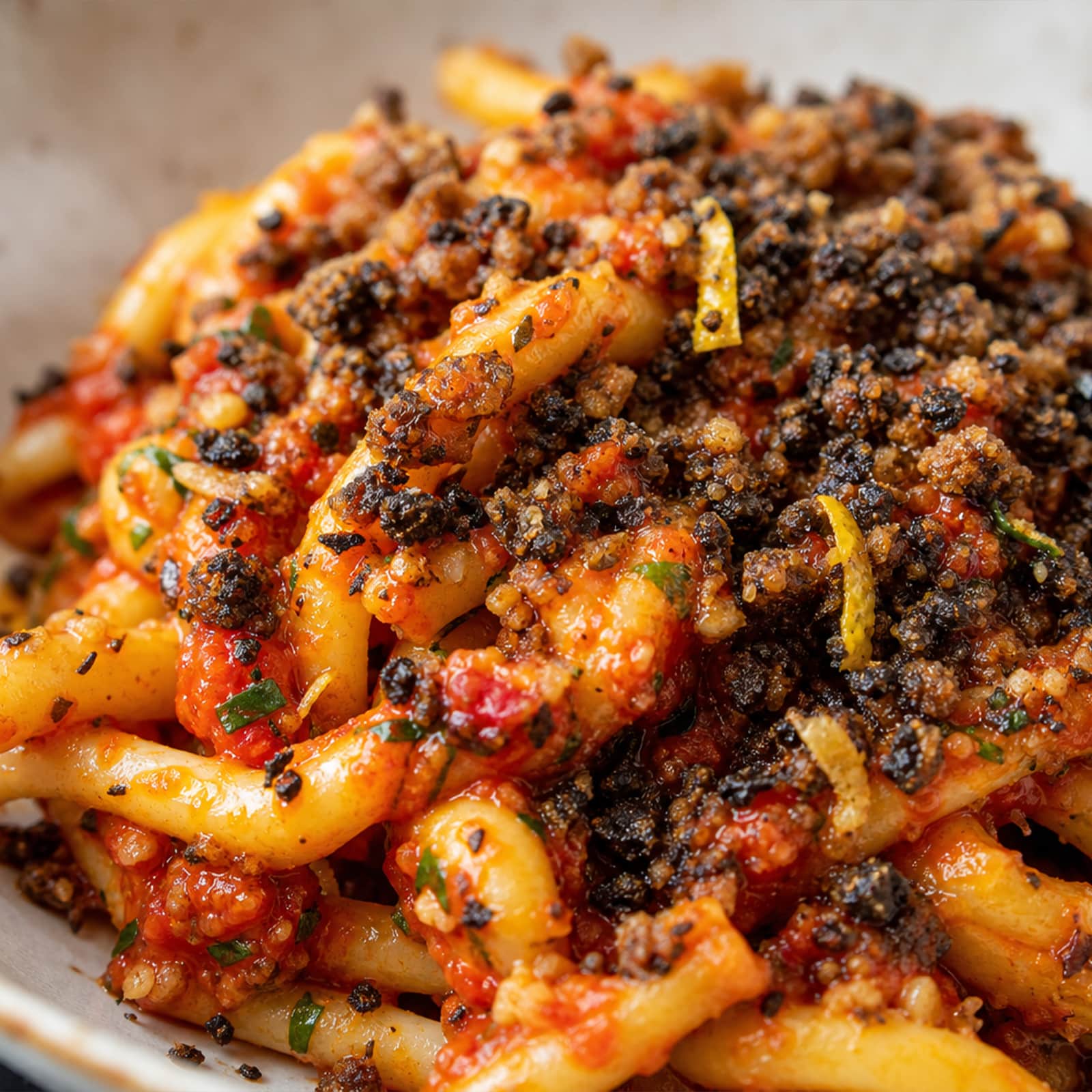
Ainsley Harriott Pasta Alla Trapanese with Black Olive Mollica

Equipment
- Food Processor
- Large Pasta Pan
- Frying Pan
- Sieve
Ingredients
Trapanese Pesto and Pasta
- 325 g fresh vine cherry or baby plum tomatoes or peeled medium vine tomatoes
- 500 g busiate or cassarecce pasta or similar short pasta such as rigatoni or fusilli
- 70 g blanched almonds
- 1 clove of garlic peeled, up to 2 cloves if you prefer
- 25 g fresh basil leaves picked
- 10 fresh mint leaves
- 70 g pecorino cheese grated — or vegan Italian-hard cheese
- 5 tbsp extra-virgin olive oil Maltese or Sicilian if possible
- 0.5 lemon for squeezing
- sea salt and freshly ground black pepper to taste
Black Olive Mollica
- 2 tbsp extra-virgin olive oil
- 2 slices of white or wholegrain bread blitzed to a coarse crumb
- 1 small clove of garlic minced
- 50 g black olives pitted and chopped
- 1 pinch dried chilli flakes
- 1 lemon zest only
- 2 tbsp fresh parsley finely chopped
Instructions
- Pulse the tomatoes a couple of times in a food processor — enough to break them up but not purée them. Tip into a sieve set over a bowl and leave to drain for at least 5 minutes. Press gently if you're in a hurry. This removes the excess water that would otherwise make the Trapanese pesto thin and dull.

- Toast the blanched almonds in a dry frying pan over a medium heat until lightly golden. Watch them closely — they burn quickly. Tip onto a plate and leave to cool completely before processing. Warm almonds make the pesto greasy.
- Add the cooled almonds to the food processor with a good pinch of salt and the garlic. Pulse until the mixture resembles coarse breadcrumbs. Add the drained tomatoes, basil, mint, and a drizzle of olive oil, then pulse until combined. With the motor running, drizzle in 4 tablespoons of olive oil to your preferred texture. Tip into a bowl, stir in the pecorino, and adjust with lemon juice, salt, and pepper. Set aside for 10–15 minutes to let the flavours develop.
- Cook the pasta in a large pan of generously salted boiling water until al dente. Before draining, scoop out a full cup of starchy pasta water and set it aside — you will need it.
- While the pasta cooks, heat the olive oil in a frying pan over a medium heat. Add the breadcrumbs and stir constantly for 2–3 minutes until golden and crisp. Add the minced garlic and cook for 30 seconds. Then add the black olives, chilli flakes, and lemon zest, season, and stir together. Remove from the heat and stir through the fresh parsley. Use immediately.
- Drain the pasta and return it to the pan over a low heat. Add the Trapanese pesto and toss for about a minute, adding splashes of the reserved pasta water to loosen the sauce and coat every piece evenly. Serve immediately in warmed bowls with a generous scattering of the black olive mollica on top.
Notes
Recipe Tips for the Best Pasta Alla Trapanese
Drain the Tomatoes Properly: This is the most important step in the recipe. Fresh tomatoes carry a significant amount of water, and if it goes into the Trapanese pesto, the sauce will be thin and lack depth. Five minutes in a sieve — or a gentle press with the back of a spoon — is all it takes.
Cool the Almonds Before Processing: Warm almonds release more oil under the blade and make the pesto greasy. Additionally, two minutes on a cool plate is all they need — it is worth the pause.
Quality Olive Oil Is the Flavour: Pesto is essentially an emulsion of oil and aromatics. Consequently, the quality of the oil is the flavour of the finished sauce. A rich, peppery extra-virgin olive oil — Maltese or Sicilian if you can find it — makes a genuinely different dish to a supermarket bottle bought without thought.
Save the Pasta Water: The starchy cooking water binds the pesto to the pasta and gives the sauce its silky, cohesive texture. Always save a cup before draining — you may not use all of it, but you will almost always need some.
Make the Mollica Last: Breadcrumbs lose their crunch within minutes of being made. Therefore, cook them while the pasta is in the water and use them immediately — they should go onto the bowl just before it reaches the table, not mixed into the pasta beforehand.
Short Pasta Is Not Negotiable: Busiate and cassarecce are the traditional choices — their twisted, grooved shapes trap and hold the textured pesto in a way that spaghetti or linguine cannot. If you can’t find either, rigatoni or fusilli are the best alternatives.
What To Serve With Pasta Alla Trapanese
This Ainsley Harriott Trapanese recipe works beautifully on its own, but here are a few serving ideas worth considering:
- As a standalone: This is a complete dish — the pesto, pasta, and mollica need nothing else alongside them to be satisfying.
- A simple green salad: Dressed with lemon and olive oil, it provides a clean contrast to the richness of the almond pesto without competing with the flavours on the plate.
- Good bread: To mop up whatever pesto is left in the bowl — and there will always be some.
- A glass of crisp white wine: Vermentino or a Sicilian Grillo both work well alongside the tomato and almond pesto — wines from the same Mediterranean climate that produced the dish.
- Extra pecorino: For those who want more cheese at the table alongside the mollica — set out a small bowl and let people help themselves.
How To Store Pasta Alla Trapanese
Store the pesto separately: Trapanese pesto keeps in an airtight jar in the fridge for up to 3 days. Press a thin layer of olive oil over the surface to prevent it from oxidising and darkening.
Cooked pasta: Leftovers keep in the fridge for up to 2 days. The pasta will absorb the pesto as it sits — add a splash of water and a drizzle of olive oil when reheating gently in a pan to loosen it back up.
You Might Also Like
-
 Ainsley Harriott Za'atar Courgette Quesadilla with Sun-Dried Tomato Salsa...Ainsley Harriott Za'atar Courgette Quesadilla Recipe is the kind of dish that makes you rethink…
 -
Ainsley Harriott Spiced Paneer Skewers with Mango Salad and...Ainsley Harriott Spiced Paneer Skewers with Mango Salad and Roti are the kind of meat-free…
-
Ainsley Harriott Sweet Potato and Peanut Stew RecipeThis Ainsley Harriott Sweet Potato and Peanut Stew is the kind of soul-warming, one-pot wonder…
-
Ainsley Harriott's Coconut Rice and Peas RecipeAinsley Harriott's Coconut Rice and Peas is the ultimate Caribbean comfort side dish — fluffy,…
The mollica: Store separately in an airtight container at room temperature for up to 2 days. Re-crisp in a dry frying pan for 1–2 minutes before using — it softens quickly in the fridge and needs the heat to come back to life.
Freeze the pesto: Trapanese pesto freezes well for up to 2 months. An ice cube tray is the most practical approach — freeze in small portions so you can defrost exactly as much as you need.
Make It Your Own — Creative Twists on Pasta Alla Trapanese
Trapanese pesto is already a twist on a classic, which means it has plenty of room to be taken further. Here’s where to go with it:
The Fully Vegan Version 🌱
Replace the pecorino with a good vegan Italian hard cheese — most major supermarkets carry a reliable option now. Everything else in the recipe is already plant-based, and the mollica is naturally vegan. With the right cheese substitute, this Trapanese dish loses nothing of its character. It is one of those recipes that happens to be easily veganised rather than one that feels diminished by it.
Roasted Tomato Trapanese 🍅
Instead of fresh tomatoes, halve them and roast at 200°C for 25–30 minutes with a drizzle of olive oil and a pinch of sugar until collapsed and just beginning to caramelise at the edges. Cool, drain, and use exactly as you would the fresh tomatoes in the food processor. As a result, the pesto becomes deeper, sweeter, and more intense — a winter version of the same dish that works brilliantly when fresh tomatoes are out of season.
Walnut and Sun-Dried Tomato Version 🌰
Replace the blanched almonds with walnuts and use well-drained sun-dried tomatoes in place of fresh. Reduce the olive oil slightly to account for the oil already in the tomatoes. The result is a more intense, earthy pesto with a completely different character — stronger, more assertive, and particularly good with a robust pasta like rigatoni or paccheri.
With Grilled Prawns or Swordfish 🦐
In Sicily and Malta, Trapanese pesto is often served alongside grilled seafood rather than just pasta. Toss large raw prawns in olive oil, chilli, and lemon zest and grill for 2–3 minutes per side until just cooked through and pink. Lay them over the finished pasta before adding the mollica. The sweetness of the prawns against the Trapanese tomato and almond pesto is one of those combinations that feels obvious the first time you try it.
Green Olive Mollica 🫒
Swap the black olives for Castelvetrano green olives — mild, buttery, and far less sharp than most. The mollica becomes softer in flavour, which works well if you’re serving the dish to anyone who finds black olives too dominant. Additionally, add a pinch of fennel seeds to the pan alongside the garlic for a gentle anise note that pairs naturally with the green olive.
💬 The mollica is the detail that separates this Pasta Alla Trapanese from every other pasta dish on the table. Make it last, use it immediately, and don’t be shy with the amount. It’s not a garnish — it’s the whole point.
Ainsley Harriott Pasta Alla Trapanese Nutrition Facts
Per serving, based on 4 servings
| Nutrient | Amount |
|---|---|
| Calories | 580 kcal |
| Protein | 18g |
| Carbohydrates | 72g |
| Fat | 26g |
| Saturated Fat | 5g |
| Fibre | 5g |
| Sugar | 6g |
| Salt | 0.8g |
FAQs (Frequently Asked Questions)
Pasta Alla Trapanese is a traditional Sicilian pasta dish from the city of Trapani, made with a pesto of fresh tomatoes, toasted almonds, garlic, basil, and pecorino — lighter and more delicate than the better-known pesto Genovese. It is traditionally served with toasted breadcrumbs called mollica rather than extra cheese. Ainsley made this Trapanese version on his Taste of Malta ITV series, adding black olives, chilli, and lemon zest to the mollica for extra depth and brightness.
Mollica is a traditional Sicilian and Italian topping of breadcrumbs toasted in olive oil until golden and crisp. Historically used in place of expensive cheese, it has become a dish in its own right — textural, flavourful, and in many cases more interesting than simply adding more pecorino. In this Trapanese recipe, Ainsley’s mollica is built up with black olives, chilli flakes, lemon zest, and parsley, making it an essential part of the dish rather than an afterthought.
Busiate is the traditional Sicilian choice — a long, twisted pasta that holds the textured pesto beautifully. Cassarecce is an excellent and more widely available alternative. If you can’t find either, rigatoni or fusilli are the best substitutes. Avoid long, smooth pasta like spaghetti — it doesn’t hold the Trapanese sauce in the same way, and the dish loses its character.
Yes. The Trapanese pesto can be made up to 3 days ahead and stored in an airtight jar in the fridge with a layer of olive oil pressed over the surface. It also freezes well in small portions for up to 2 months. However, make the mollica fresh on the day — it loses its crunch quickly and cannot be prepared far in advance.
Yes. Replace the pecorino with a vegan Italian hard cheese, and the dish is fully plant-based. Everything else in the recipe, including the mollica, is already vegan with no adjustments needed.
This Pasta Alla Trapanese recipe was made as part of Ainsley’s Taste of Malta on ITV, and Maltese olive oil — produced from ancient olive trees across the Maltese archipelago — is genuinely considered among the finest in the Mediterranean. Rich, golden, and full of flavour, it makes a real difference in a sauce like this, where oil is the primary carrier of flavour. A good Sicilian or southern Italian extra-virgin olive oil is the closest widely available equivalent.
Tried this Ainsley Harriott Pasta Alla Trapanese Recipe? Drop a comment below and leave a rating — it helps other home cooks find it, and it keeps us going. ⭐ Tried this